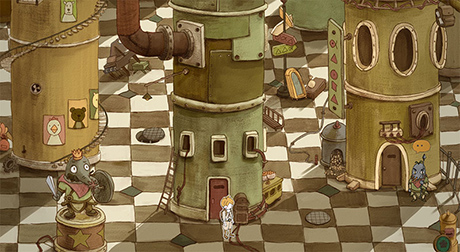
When I first saw the cover art for Scarlet Deer Inn, I mistakenly wrote it off as just another ordinary side-scroller, even worrying that the actual game might fail to live up to its beautiful key art. However, after downloading, installing, and diving into the demo myself, I found my initial doubts completely shattered—this is, without a question, an exceptional piece of work.
What captured me first was its highly distinct visual style. The art style on the cover felt instantly familiar, carrying the distinct charm of Hayao Miyazaki and Studio Ghibli. It immediately triggered fond memories of classic animations like Kiki’s Delivery Service (1989), My Neighbor Totoro, and Castle in the Sky.
Looking into the official background information later, I confirmed that the game did indeed draw from Ghibli-inspired aesthetics. While the film that left the deepest impression on me personally is Spirited Away, a closer look reveals that Scarlet Deer Inn’s art style possesses its own subtle, unique differences from it.
That side note aside, let us bring the focus back to the game itself.
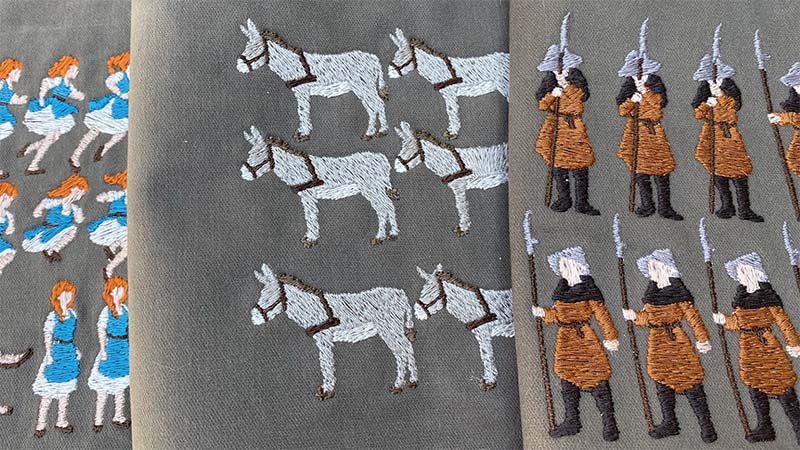
Used under fair use for commentary, criticism, and educational purposes.
What struck me even more profoundly was the game’s artistic execution. The official introduction mentions that every character in the game is handcrafted from real embroidery. As a player with some understanding of indie game development, seeing the behind-the-scenes footage of character animations brought to life frame by frame through physical embroidery filled me with immense respect. This is the first time I have ever seen such a seamless fusion of traditional handicraft and digital game development, and it is nothing short of breathtaking.
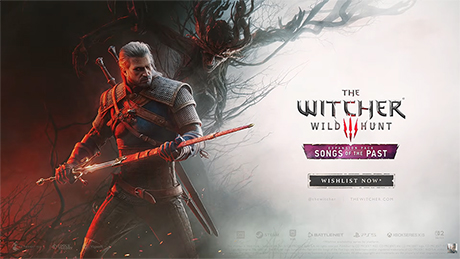
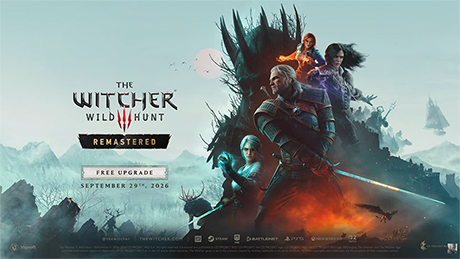
Beyond its stunning visuals, the game’s core qualities are equally outstanding. The soundtrack immediately reminded me of The Witcher 3, one of my all-time favorite games. Setting professional music theory aside, purely by sonic intuition, it shares that same deep, enchanting Eastern European folk style as The Witcher 3, evoking a familiar auditory nostalgia through its choice of instruments and acoustic textures. Furthermore, the lore is rooted in Slavic folklore—a setting relatively unfamiliar to me, which instead massively ignited my desire to explore.
After completing the demo, my understanding of the game’s core theme can be summed up as the interplay between “light and darkness.” This is not merely a surface-level visual contrast, but a core thematic expression deeply woven into the narrative itself. Though the demo is brief and the full narrative arc has yet to unfold, it successfully drops an incredibly compelling hook, leaving me eagerly anticipating the full release.
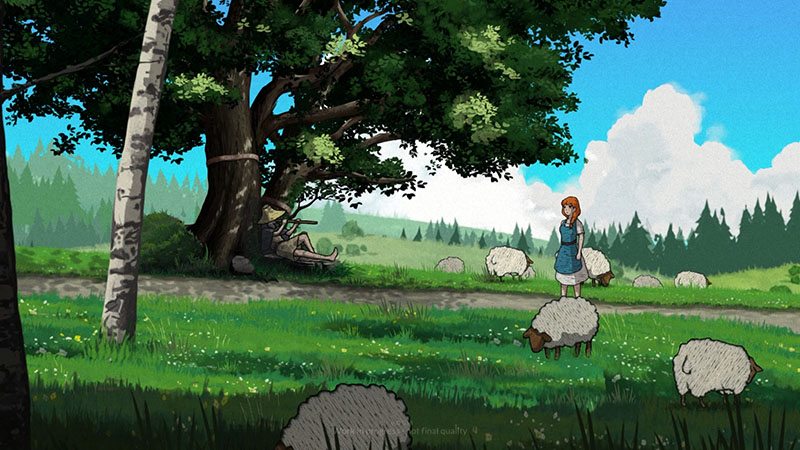
In the “light” portion of the demo, the village presents a sense of ultimate harmony and tranquility. The gorgeous environmental design makes you want to linger, completely immersing yourself in its relaxed, slow-paced atmosphere. Yet, through conversations with NPCs, you can sharply detect an underlying sense of unease, hinting at dark undercurrents beneath the calm surface.
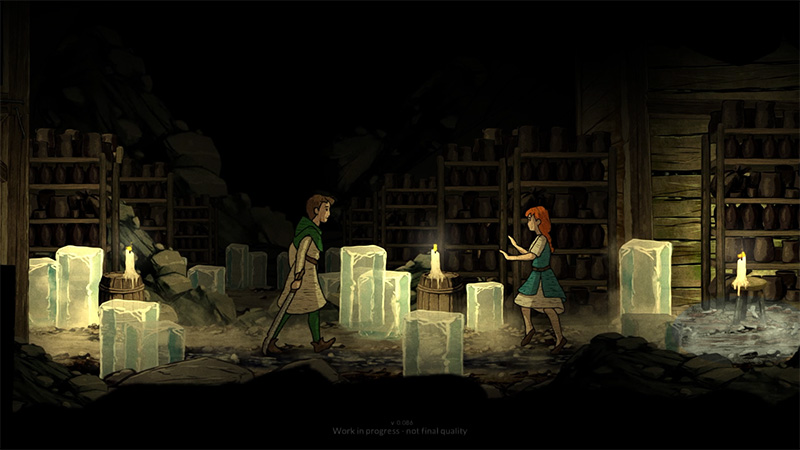
The “darkness” chapter truly begins as the story moves into the underground chamber. A barrage of heavy, intense plot elements—blocks of ice, corpses, a chase by a knife-wielding mystery figure, and the revelation that the target might be the protagonist’s own child—pushes the narrative tension to a climax and leaves me intensely curious about where the full plot will go.
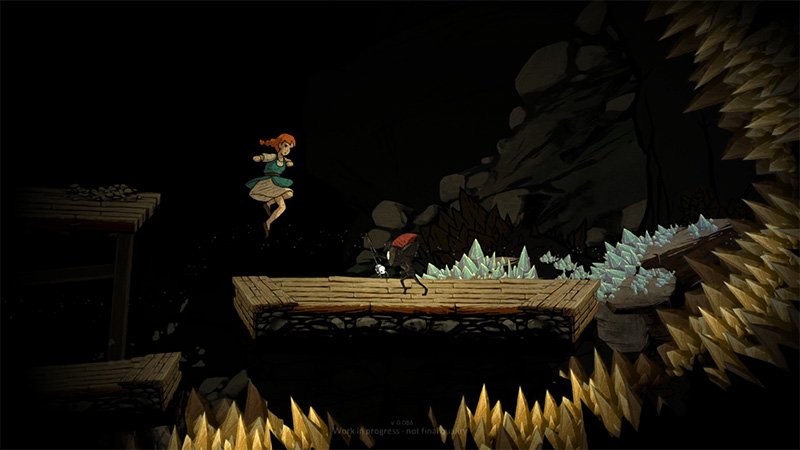
It is worth noting how skillfully the game uses the narrative to dynamically control the protagonist’s abilities. For instance, the basic “jump” mechanic is deliberately locked during village exploration to maintain a seamless, peaceful immersion. However, the moment a chase or escape sequence triggers, the ability unlocks, seamlessly shifting the gameplay experience into an agile action-platformer. This tight integration of design and narrative showcases a remarkable level of polish from the developers.
For me, an excellent game requires more than just pleasing visuals and smooth controls; it demands solid lore and a gripping narrative direction. Scarlet Deer Inn hits all of my personal preferences perfectly and is exactly the kind of game I deeply cherish.
Currently, the store page indicates the official release is set for July 21, 2026, and players can now add it to their wishlists.
Note: This article is based on the demo experience; content in the official release may be subject to adjustments and expansion.
About the Author