Video sourced from the GAMEAY YouTube channel. © 2026 StoneLab Games.
EthrA is a 3D pixel open-world RPG adventure game developed by StoneLab Games. I’ve been following the game’s development ever since I found the developer’s YouTube channel. It’s currently listed on Steam with playtest applications open, though the official release date hasn’t been announced yet. Below is my breakdown after playing the test build.
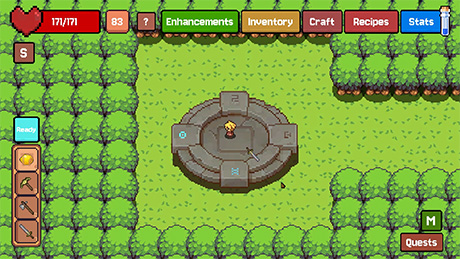
The gameplay reminded me of The Witcher: it’s story-driven, you help villagers in town, pick up quests from notice boards, explore the map, fight, and clear outposts for loot chests and gear. At the same time, it adds survival mechanics like chopping trees, mining, managing a hunger meter, and fishing. The game description also mentions cooking, farming, and house repairs, but those might not be open in the test build yet, so I didn’t actually experience them.
The content in this test build (Demo 1.0) mainly focuses on map exploration and combat. To state my conclusion directly: the game is really good. Overall playtime runs about two to three hours, depending on how far you explore. The test build also includes arena challenges where defeating all enemies awards 3,000 gold directly. EthrA is a great fit for patient open-world RPG fans, as its combat system is unique and offers high replay value.
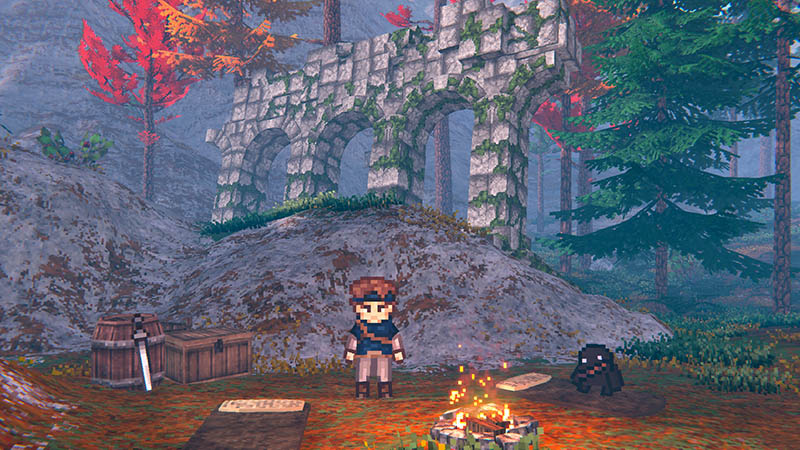
Used under fair use for commentary, criticism, and educational purposes.
Backstory: Bob and Vir
On the continent of EthrA, a lie forgotten by the world for a thousand years is waiting to be uncovered. Bob, a farm boy eager to escape an ordinary life, sets out on a journey with Vir, a mysterious creature endowed with magic. Traveling through ancient ruins and bustling towns, the two take on quests and look into rumors while facing continuous risks and challenges, slowly getting closer to a truth buried for a millennium.
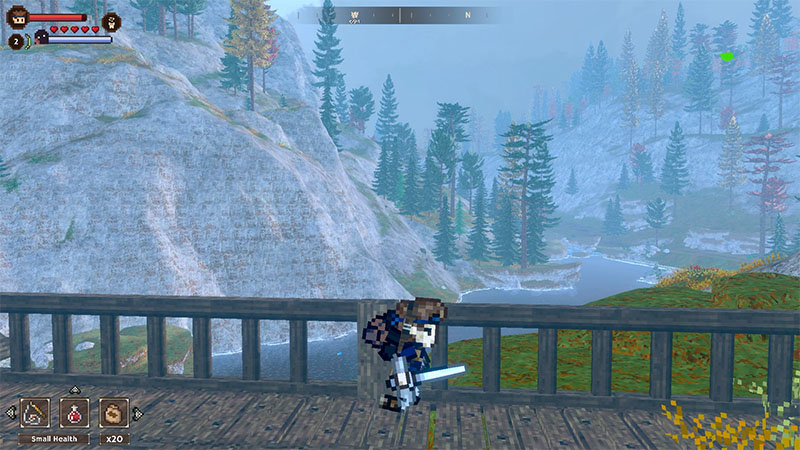
Map Exploration
As an open-world game, EthrA gives players a high degree of freedom, making continent exploration the core experience. The map is made of natural landforms like mountains, rivers, and woods, with plenty of explorable areas spread throughout, including towns, outposts, safe rest spots, resource points, caves, and dungeons.
Although the main progression route is fixed, different side paths bring different enemies and challenges, rewarding you with gold or gear upon completion.
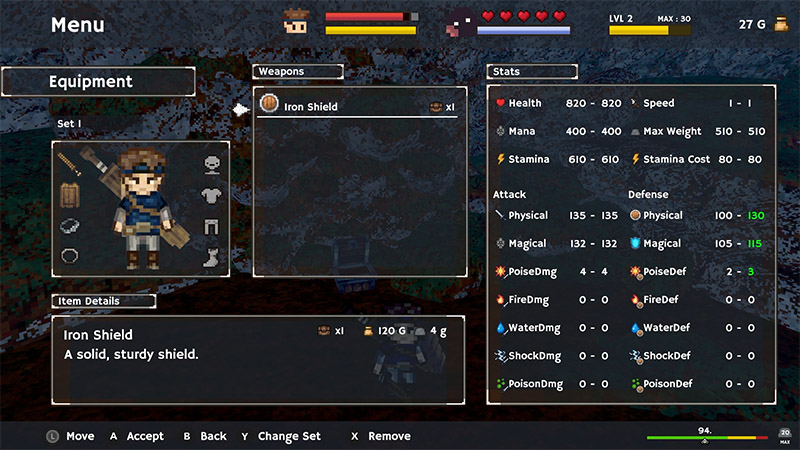
Equipment System
The protagonist Bob can switch between two weapon sets in real time. The sword and shield setup hits fast with low stamina cost, balancing offense and defense. Greatswords or spears have longer reach and deal higher damage, but they feel slower and drain stamina quickly. There’s also a bow for long-range attacks, though when facing ranged enemies, I personally felt letting Vir handle them with magic was more efficient, only limited by its mana pool, which restricts casting frequency.
For armor, players can get single pieces or full set gear by clearing outposts and defeating bosses, with different equipment giving different stat boosts. For example, mage gear boosts mana but leaves defense weak, while wolf sets and heavy armor boost defense and health, letting you choose as needed. For accessories, the current test build only opens up rings to add passive stats. Note that in the current version, Vir doesn’t have a dedicated gear system yet.
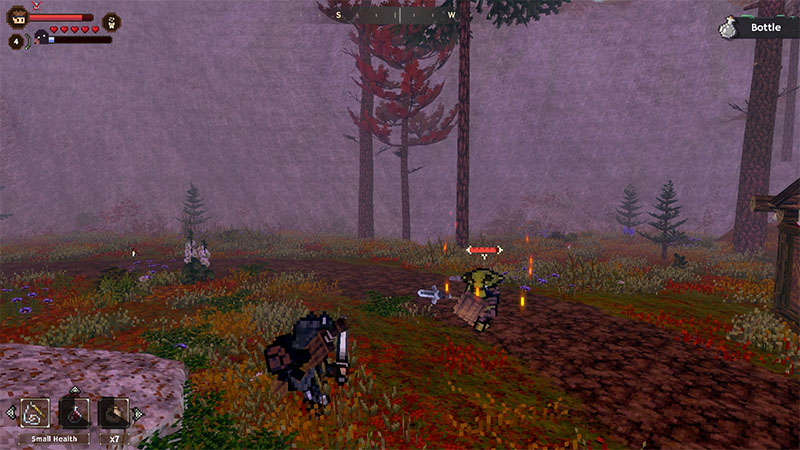
Combat System
Combat in EthrA is unique. Even when multiple enemies show up at once, the overall fight feels closer to a one-on-one knight duel rather than mowing down hordes in a Musou-style game.
Your move options are pretty rich, covering light combos, heavy attacks, shield blocks, perfect block counters, jump heavy attacks, and dodge rolls, with weapon switching unlocking unique moves for each type. However, every single action is tied to stamina, making every duel a game of careful positioning where you have to play smart.
Stamina is the main resource controlling the pace of combat. Attacking, jumping, and climbing all drain it constantly. When fighting multiple enemies, you have to watch your stamina bar at all times and plan your moves ahead of time. Facing two or more enemies at once ramps up the pressure quickly, and getting surrounded makes it easy to end up in danger.
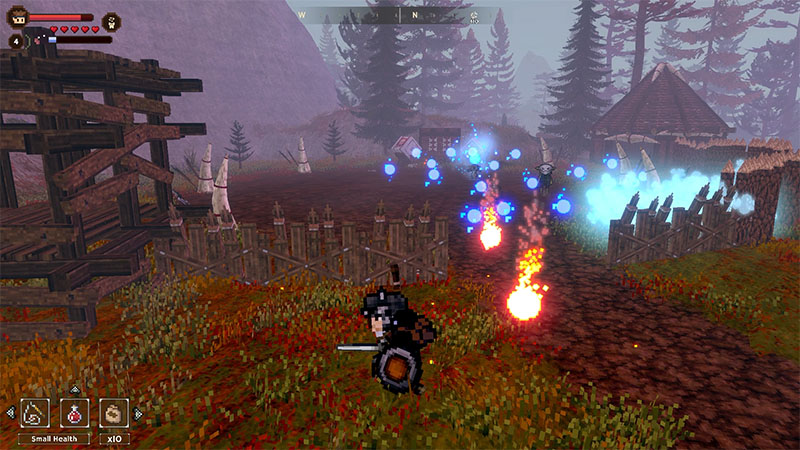
At that point, you need to use positioning, terrain, or Vir to draw enemy attention, actively creating one-on-one duel spots, and finding openings through spacing and building cover. Compared to the quick thrill of wiping out waves of enemies, this step-by-step tactical duel brings a much deeper sense of accomplishment instead.
The enemy AI is well-designed, so you don’t have to worry about it being too easy. Enemy types are diverse, with both melee and ranged variants. The hardest ones to fight are mages and enemies holding shields to defend. On top of using shields to block, enemies will also parry with their swords, which pairs with heavy, realistic hit sound effects to create a strong sense of immersion.
Pet System
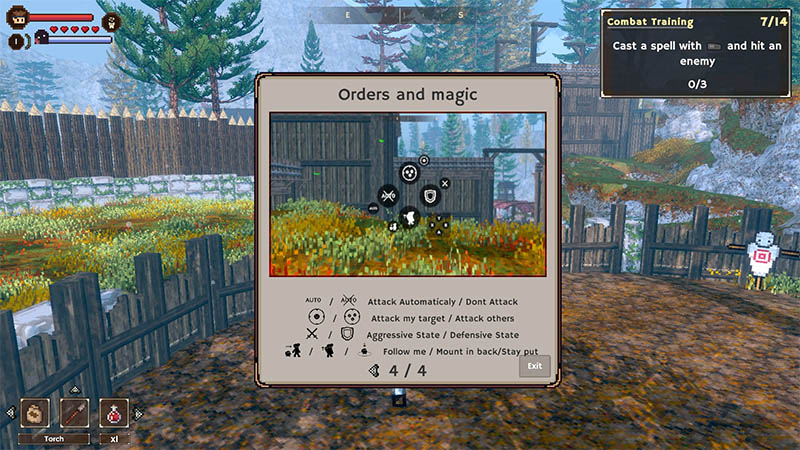
Unlike Palworld, EthrA features Vir as your only fixed companion, and I get the feeling it’s tied to the story. It specializes in magic attacks, and players can manage its combat through four real-time commands: auto-attack toggle, target selection (focus target vs. random attack), follow style (carry on back vs. walk independently), and stance toggle (defensive vs. active attack mode).
The auto-attack function is very practical. Even if an enemy is off-screen, Vir will prepare its attack in advance, serving as an early warning. Sending Vir out independently has strategic value when fighting multiple enemies by splitting up pressure, though you need to keep an eye on Vir’s health. It won’t actually die if knocked down, but it enters an incapacitated state where you have to walk over and revive it.
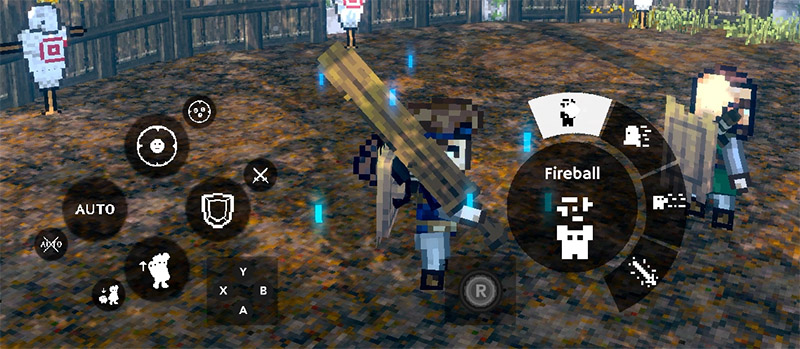
In the test build, Vir starts with four default skills: Fireball, Continuous Shot, Player Speed Boost, and Weapon Enchantment. In actual combat, I used Fireball for ranged attacks the most. In battle, Vir mainly acts as auxiliary damage support, performing particularly well against ranged enemies.
Shop System
The shops in the village are run by local NPCs, covering blacksmiths, general stores, and weapon and armor shops. The basic functions of these shops are the same, supporting buying and selling, with the main difference being inventory: specific items like potions and armor are only sold at their respective shops.
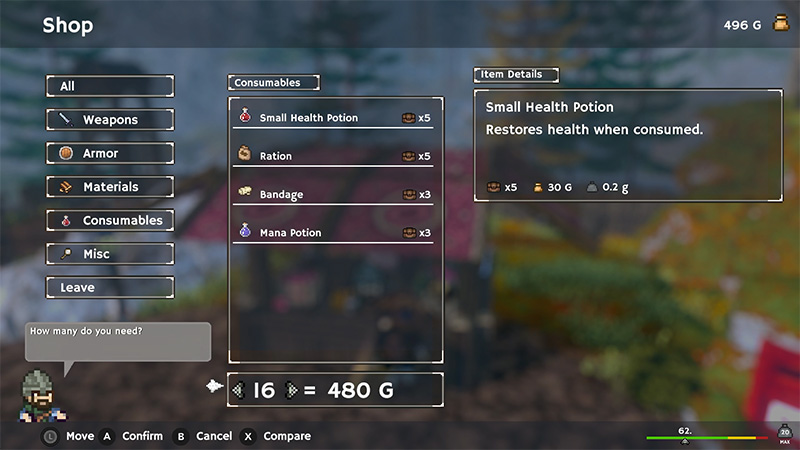
The blacksmith has exclusive features where players can spend gold to upgrade weapons or armor to higher levels for better stats, capped at Level 3 in this test build. The blacksmith also offers crafting services to make gear using gathered resources. While the player’s personal menu has a crafting tab, the items you can make are different from what the blacksmith offers.
Survival System
While the survival mechanics aren’t as hardcore as Minecraft, they’re still an important part you can’t ignore. Being hungry lowers your max stamina cap and slows down recovery. Since stamina directly determines combat performance, you should always carry enough food to refill it. Taking heavy damage inflicts a wounded state that cuts your maximum health cap, requiring bandages to heal back to full health.
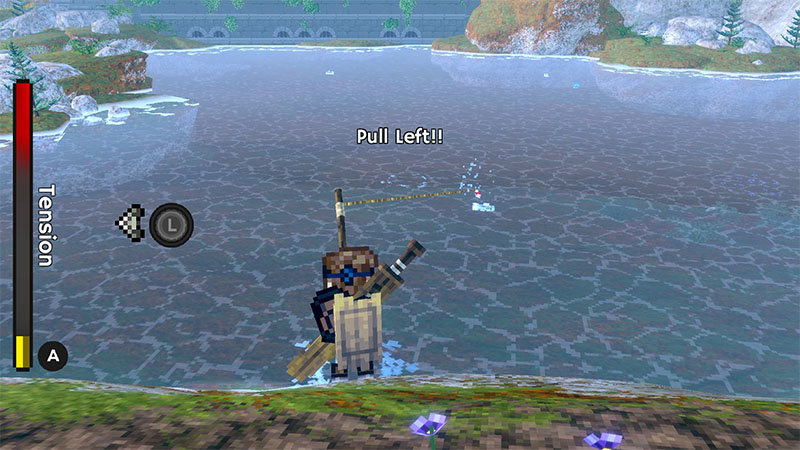
The test build adds a fishing system, with significant differences in how long it takes to hook different fish. For example, the blue fish far out in the water take about 3–5 minutes to reel in, which really tests your patience, so I’d suggest the developers consider lowering fishing times to smooth out the experience. As for resource gathering like logging and mining, in the current test build they’re only used to sell for gold. Whether a building system will be added later to consume these resources is still unknown.
Areas for Improvement & Known Issues
The overall completion level of the test build is already very good, but a few details still need polishing:
Performance: The game runs smoothly overall, but minor hitches occasionally pop up. Although they last for a split second, you can clearly feel them, and I’m not sure if this is tied to my specific hardware or system configuration.
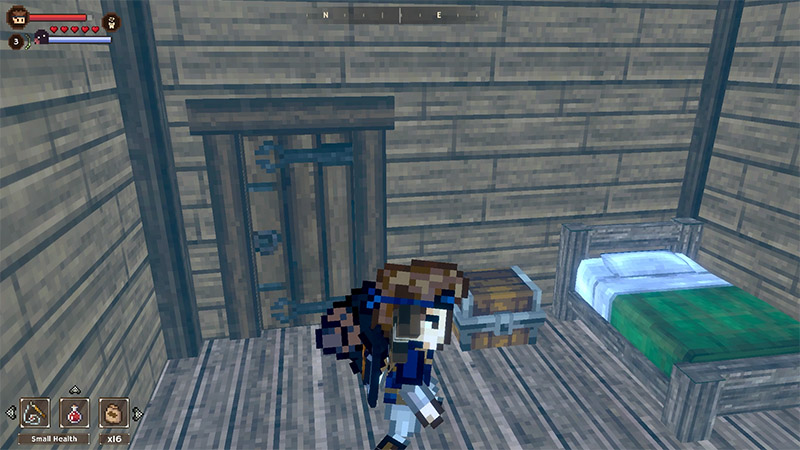
Camera Angles: In tight indoor spaces, the camera shakes frequently and gets blocked by walls, which hurts the exploration experience. Prioritizing camera optimization is recommended.
Torch Interaction Bug: Attacking commands fail while holding a torch. Right now, the only way to hold light and fight at the same time is to switch to a sword first, then switch to the torch. If you hold the torch first and press attack, your character won’t swing, which is a logic conflict that needs fixing.
Final Thoughts
As I mentioned at the start, this Demo 1.0 test build focuses on combat and map exploration, while other systems are shown but not expanded on yet.
Based on updates from the developer’s YouTube channel, StoneLab Games is a small team working on a massive open world, so development progress might not be super fast (that’s just my personal guess). But as long as they keep polishing it, this game definitely has the potential to become a great title.
Right now, the combat and exploration parts are already off to a fantastic start.
Note: This article is based on the test build (Demo 1.0), and official version content may differ.
About the Author