Nioh 3 is set to launch on 6 February 2026, for both PS5 and PC (Steam).
I played the free demo on Steam before launch, and here’s what I’ve gathered so far.
Note:This guide is based on the official open demo of Nioh 3 (available on Steam), not the full release.
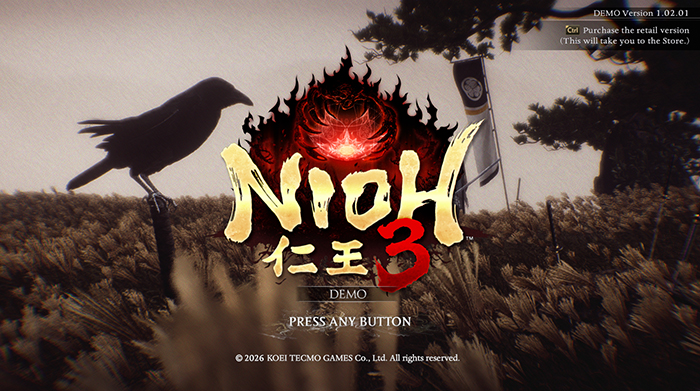
Used under fair use for commentary and educational purposes.
Having never played any of the previous Nioh games, Nioh 3 is a completely new experience for me.
To be honest, I don’t usually play many hardcore action games,they’re just too demanding when it comes to skill and reflexes. Nioh 3 definitely falls into that category, but it adds a solid RPG progression system.
I haven’t spent much time with “Souls-like” titles, but I have a general idea of how they work. In many of them, your stats are automatically assigned when you level up. In Nioh 3, however, you manually allocate stat points yourself, which makes it feel a lot more like the classic RPGs I’ve played before.
If I recall correctly, Elden Ring also uses a manual stat allocation system, which gives players greater freedom to build a protagonist that suits their playstyle.
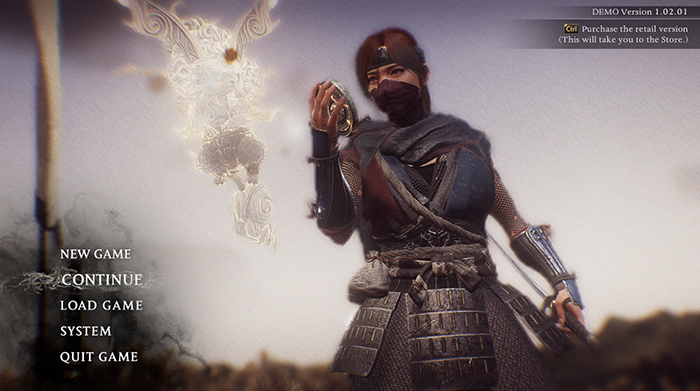
Since this is my first time with the series, I looked up the official background story beforehand it helped me follow the plot better during the demo, and I figured I’d share it here too.
The game’s story setting:
In the eighth year of Genna (1622), peace seems to have settled over the land. But Tokugawa Takechiyo, the heir to the shogunate, watches helplessly as his younger brother, Kunimatsu, consumed by resentment, descends into darkness. Kunimatsu summons an army of yokai and launches a devastating assault on Edo, plunging the capital into chaos and ruin.
On the brink of death, Takechiyo is chosen by the legendary sword Kusanagi, giving him the power to travel across time. To end this catastrophe born from human malice he must journey through four eras corrupted by the Hell Spikes: Edo, the Sengoku period, Heian-kyō, and Bakumatsu Kyoto and destroy the Hell Spikes that warp reality itself.
In the end, his greatest enemy will not be the demons or the fractured timelines, but the brother he once loved. This is a battle of redemption across time itself.
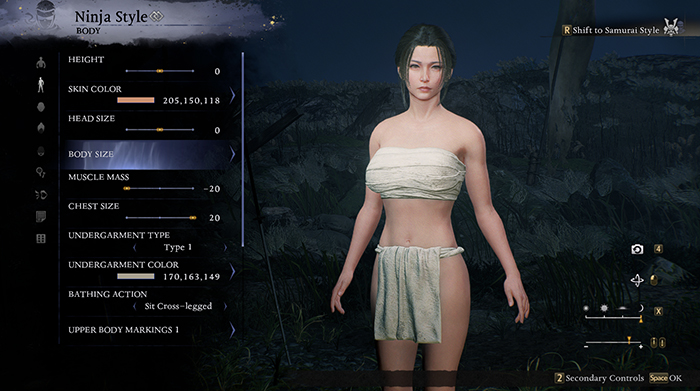
Character Creation:
When you first start the game, you’ll go straight to the character customization screen, where you can create a hero that truly feels like your own.
Based on the game’s setting, Nioh 3 offers two core archetypes: Samurai and Ninja. From there, you can fully customize your character’s appearance adjusting everything from Body, Face, and Hair, to Facial Hair, Makeup, and Voice.
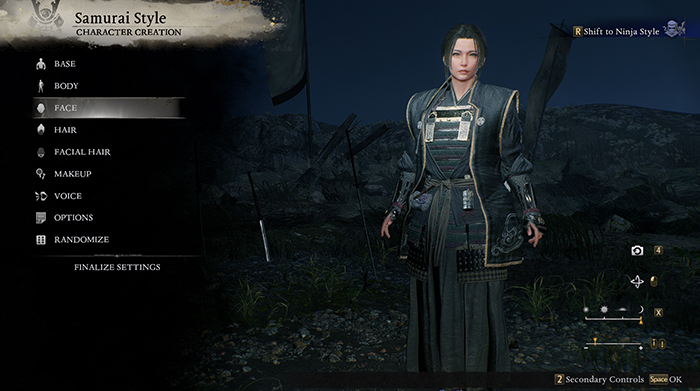
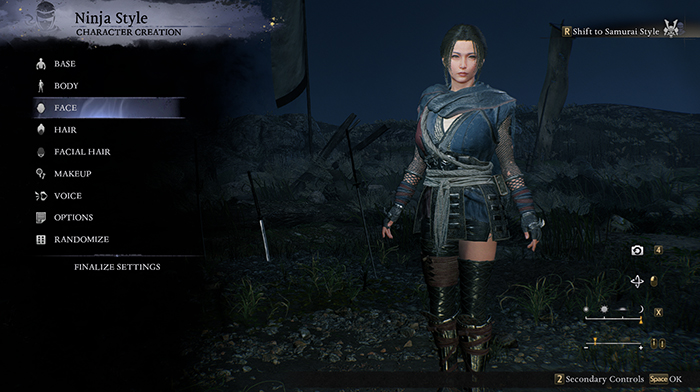
The character creator offers a great preview system,you can view your character from multiple angles, switch backgrounds, and even adjust the time of day to see how they look under different lighting.

System Menus:
Since it’s my first time playing, I wasn’t familiar with the game at all and with all the stats and character info packed into the menus, it felt a bit overwhelming at first (lol).
But once I got used to it, everything clicked! Now I can navigate the menus quickly and find exactly what I need.
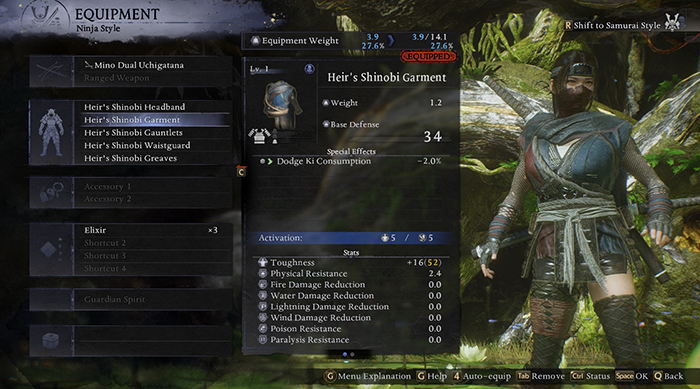
Equipment:This screen shows all the gear your character is currently wearing, along with detailed stats for each piece.
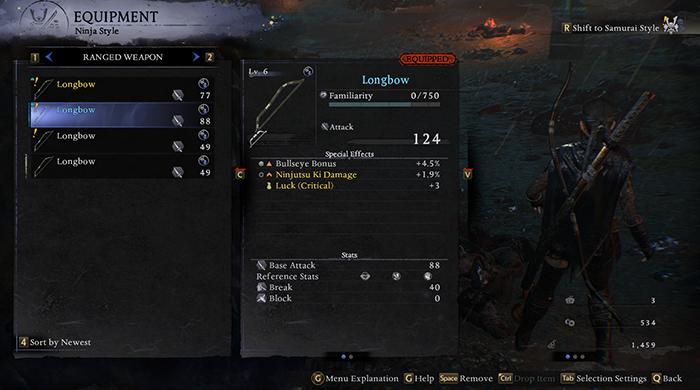
If you have extra equipment, you can swap it in right here and even compare stats between items you’ve collected to quickly pick the best one. The game also gives you helpful suggestions to guide your choice.
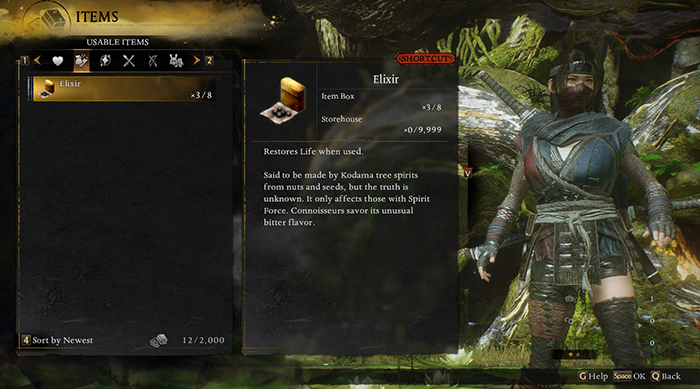
Items:After combat, any loot you pick up especially healing items and quest-related gear goes straight into your inventory.
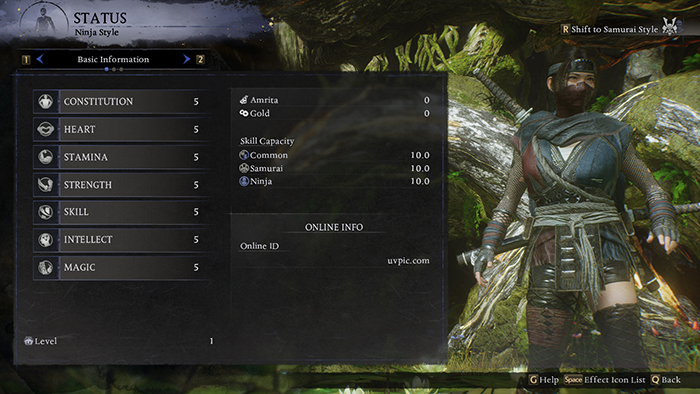
Status:The Status screen shows your character’s core stats: Constitution, Heart, Stamina, Strength, Skill, Intellect, and Magic.
Every time you level up, you’ll need to manually allocate stat points,so you can tailor your build to match your preferred playstyle.
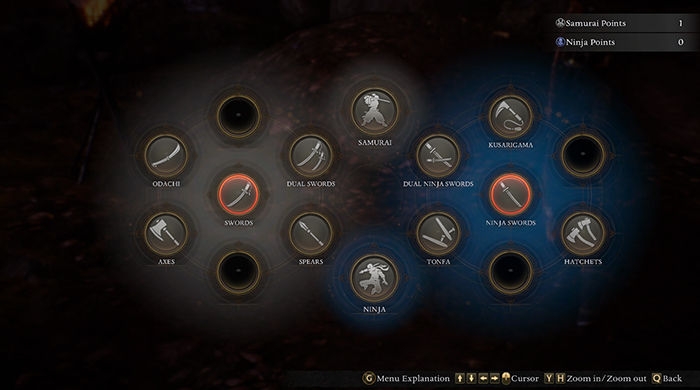
Acquire Martial Arts / Ninjutsu:The first time I opened this menu, my brain almost short-circuited,there are so many skills to choose from! The Samurai and Samurai stances each have completely different weapon arts, and honestly, the depth is insane.
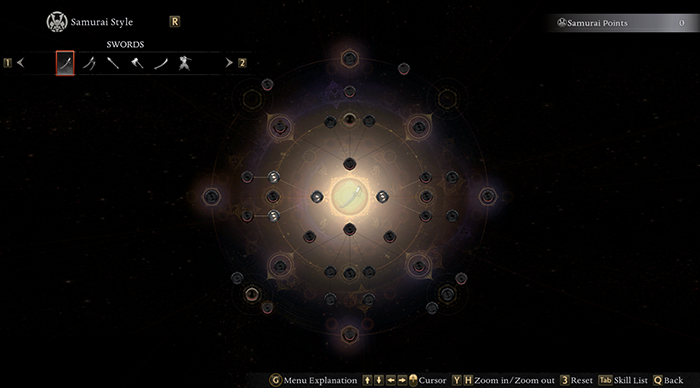
Here, you can learn all kinds of techniques: spend Samurai Points to unlock Samurai-specific weapon arts, or use Ninja Points to acquire Samurai-exclusive ninjutsu.
There’s a lot to unpack here, so I’ll only walk through the key menus,the rest won’t be covered individually.
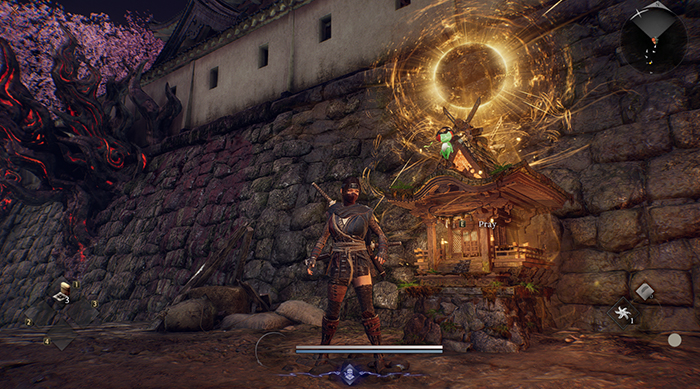
Guardian Shrine:
Like other action games I’ve played, Nioh 3 has large maps and enemies with challenge levels, so you need a respawn point after dying.
That’s the Guardian Shrine. You can not only respawn there, but also prepare for battle,like allocating skill points, switching your Guardian Spirit, and inviting other players to join you in co-op to take on tough bosses.
Yes, the game supports online co-op.
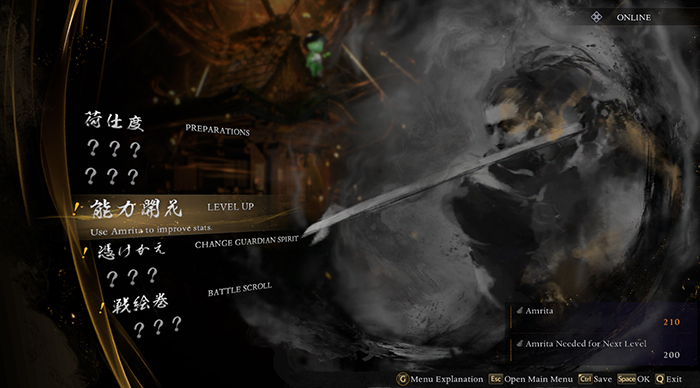
To invite friends or other players into your game, you need to use an in-game item called Ochoko Cup. I haven’t played long enough to know exactly how to get more, but you start with three in your inventory by default.
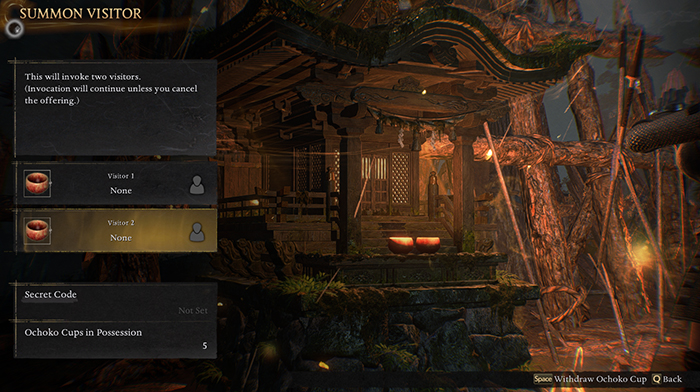
Each invite costs one Ochoko Cup, and once they’re gone, you can’t summon real players anymore at least that’s what I’ve seen so far.
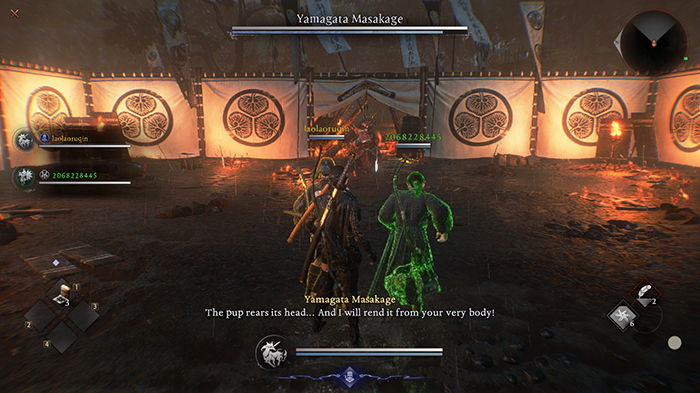
Fortunately, you can still call in an NPC ally for help. They’re just not as effective as a real player.
In the current demo, you can invite up to two players at the same time to join you for missions or boss fights.
The Guardian Shrine has plenty of other features, but I won’t go into detail on them here.
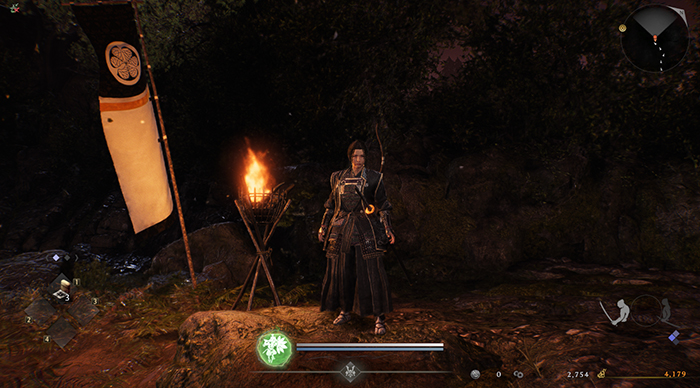
About the game UI:
The UI changes slightly depending on whether Chutaro is in Samurai or Ninja form the main difference being the skill system.
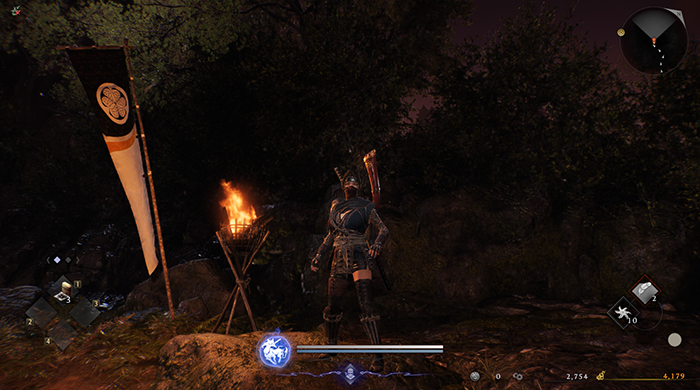
- The left side shows your item quick slots.
- The center displays health, stamina, and a Guardian Spirit–related icon,I’m not entirely sure what it does yet.
- On the right are the unique skill bars for Samurai and Ninja. Both work differently, but you can fill their meters by attacking enemies, and once full, unleash a high-damage enhanced strike.
On gameplay:
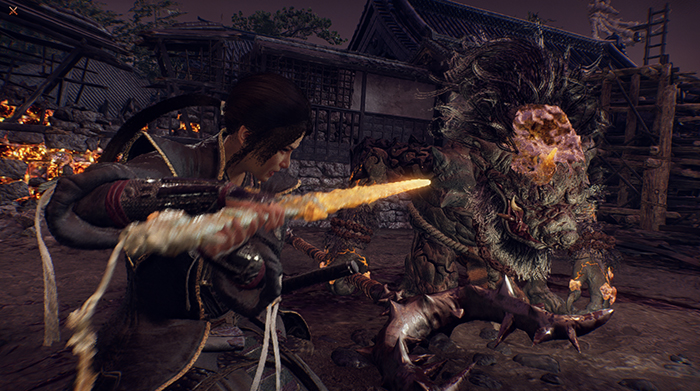
Besides switching between Samurai and Ninja forms for different attacks and skills, the game also includes stealth kills.
From my testing, sneaking up behind regular enemies usually lets you one-shot them but some will dodge your backstab.
You can also go for headshots with ranged weapons like bows or guns, which often kill instantly, though it really depends on the enemy’s level or HP.
If you hit a boss you can’t beat, you’ve got two options: invite a higher-level player to help (as long as you have the invite item), or keep grinding leveling up and upgrading gear until you’re strong enough.
That’s all I’ve figured out from the demo so far. There might be other ways I haven’t found yet.
My impressions:
The controls might feel a little complex at first for newcomers to this type of game, but experienced players won’t have any trouble.
You’ve got dodge, block, light attack, heavy attack, charged skills and switching between Ninja and Samurai forms adds another layer, since each has its own moves. There’s also a stamina recovery trick you can use.
The hardest part is managing stamina especially during combos. It’s easy to forget and drain it completely, leaving you stunned and open to enemy attacks.
But once you get the hang of it, chaining skills together feels really satisfying.
Note: This is based on the publicly available Nioh 3 demo on Steam. Everything is subject to change in the final release. The full game launches on February 6, 2026.
About the Author